Blog

The Power of Speaking Truth
Speaking up can feel scary for many of us. It’s worth asking ourselves: what are we afraid of? I know from experience that even as a child, I spoke up and was punished or silenced further. As an adult, I will continue to speak up because I know it makes a difference.


Understanding Choice and Our Own Limitations Working To Heal Childhood Trauma
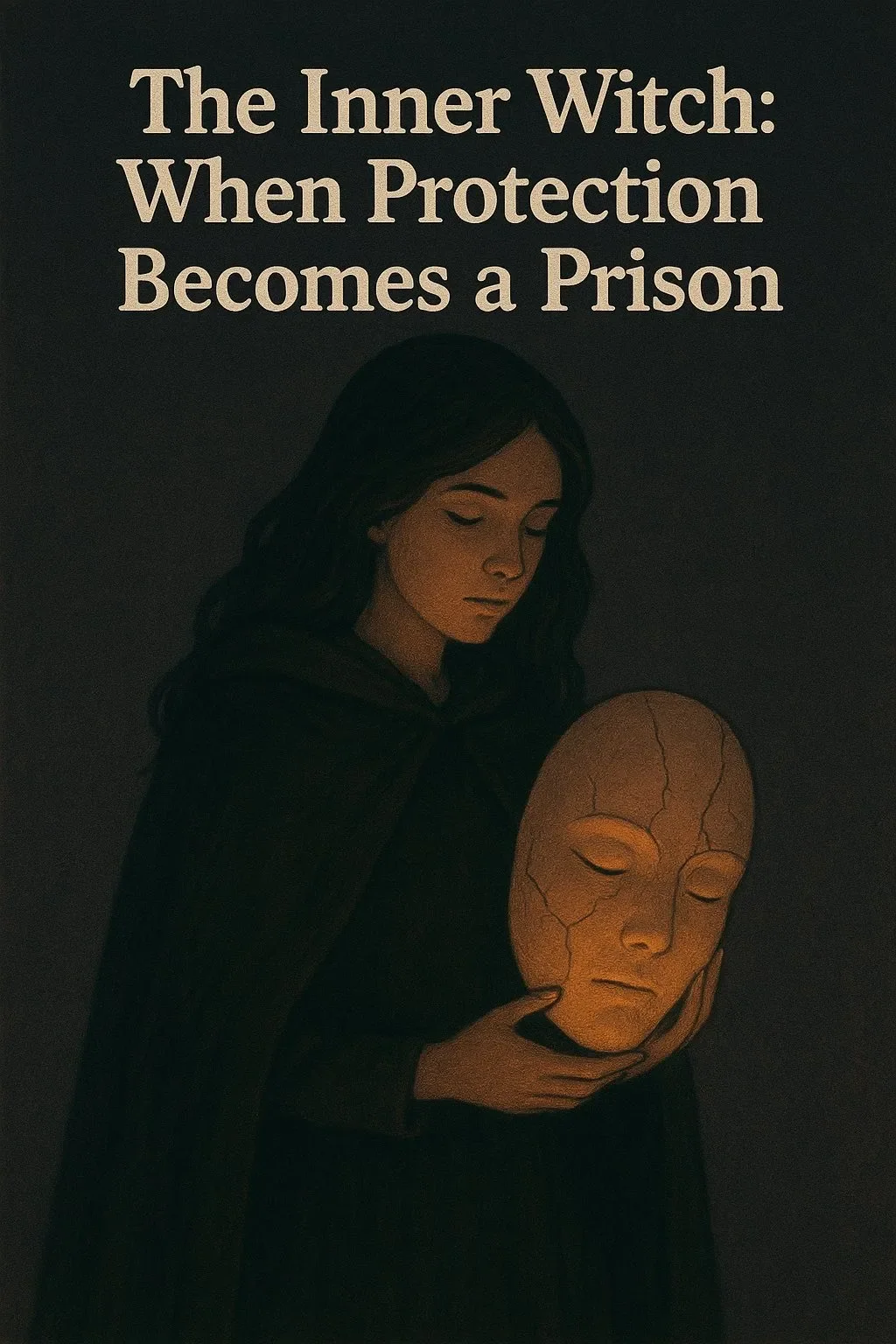
Trauma does not simply disappear. It reorganises itself inside the psyche. What begins as a way of surviving something overwhelming can later feel intrusive, even hostile. Thoughts, memories, and emotions can appear as if they are working against us, when in fact they were formed to protect us at a time when there were no other options.

The Tower We Build to Survive
When the external world becomes unsafe, the psyche creates an inner structure designed to preserve the core of the self. This system can be lifesaving for a child who has no way to escape what is happening around them.
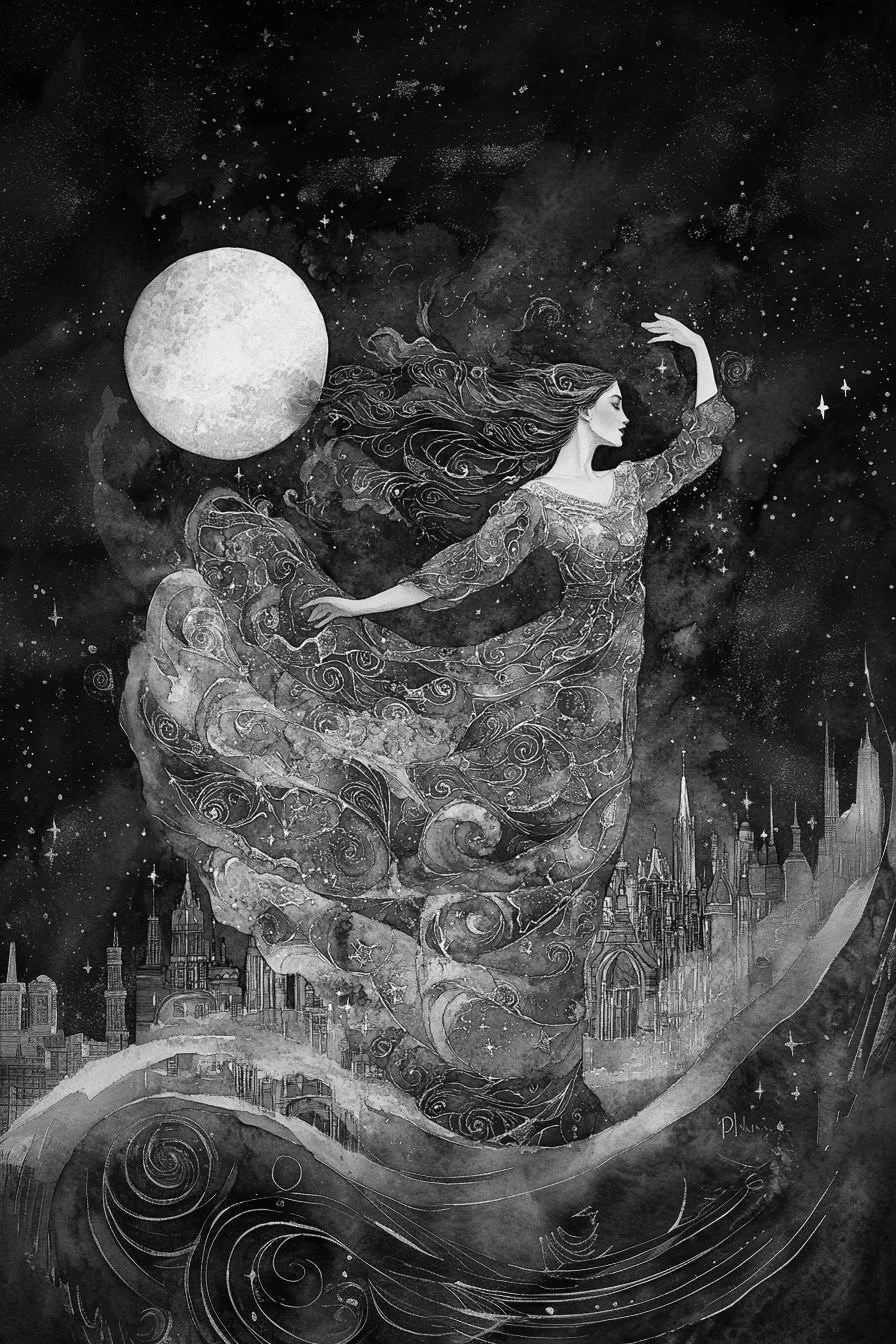
Choices & Limitations
I’m exploring the ideas of choice and limitation in trauma, inspired by a passage in The Inner World of Trauma by Donald Kalsched.
I’m looking at how Isaac Bashevis Singer’s reflection on choice can be misleading if read on its own, and why it makes more sense when understood alongside limitation, the recognition of what we could and could not control. Only when the limitation is acknowledged can genuine choice emerge without invalidating the reality of trauma.
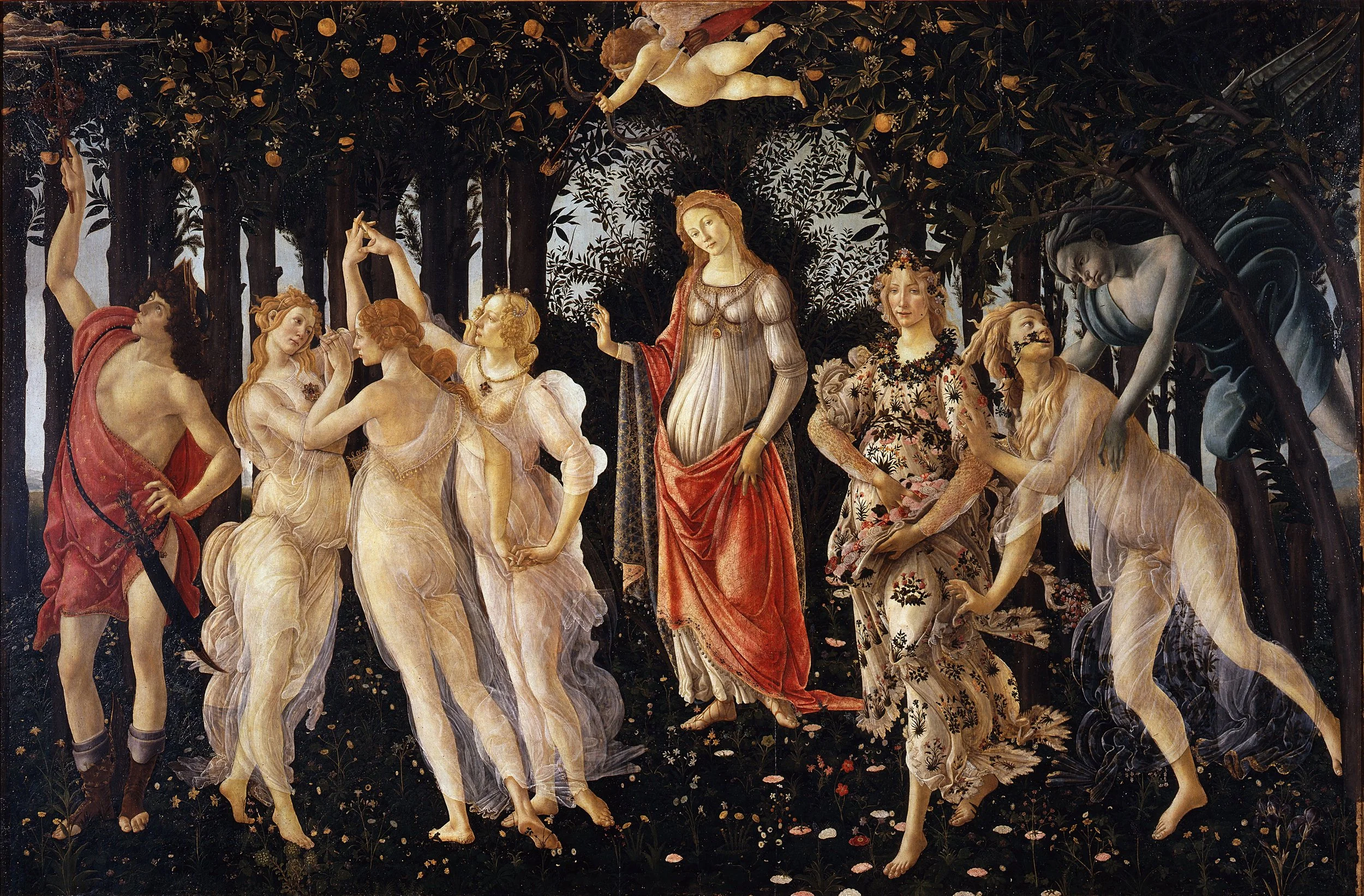
Trauma, Rumination and Reality
When old trauma resurfaces, the mind can loop endlessly around particular moments. Details sharpen. The body tightens. Arguments restart internally. It can feel as though the events are happening now rather than belonging to the past — a loop in which the self remains trapped in the impossible, trying to resolve what once had no solution.



Finding Space for Truth: How CSA Survivors Begin to Heal
I understand deeply the knock-on effects of early trauma and how profoundly it shapes the inner world. The psyche forms intricate structures to survive unbearable circumstances, and the journey toward healing is rarely straightforward.

Breaking Strange Covenants
A covenant is a binding agreement, promise, or contract. Traditionally, it implies something serious, enduring, even sacred. When it’s described as strange, it points to something distorted, unconscious, or formed under conditions that weren’t freely chosen.
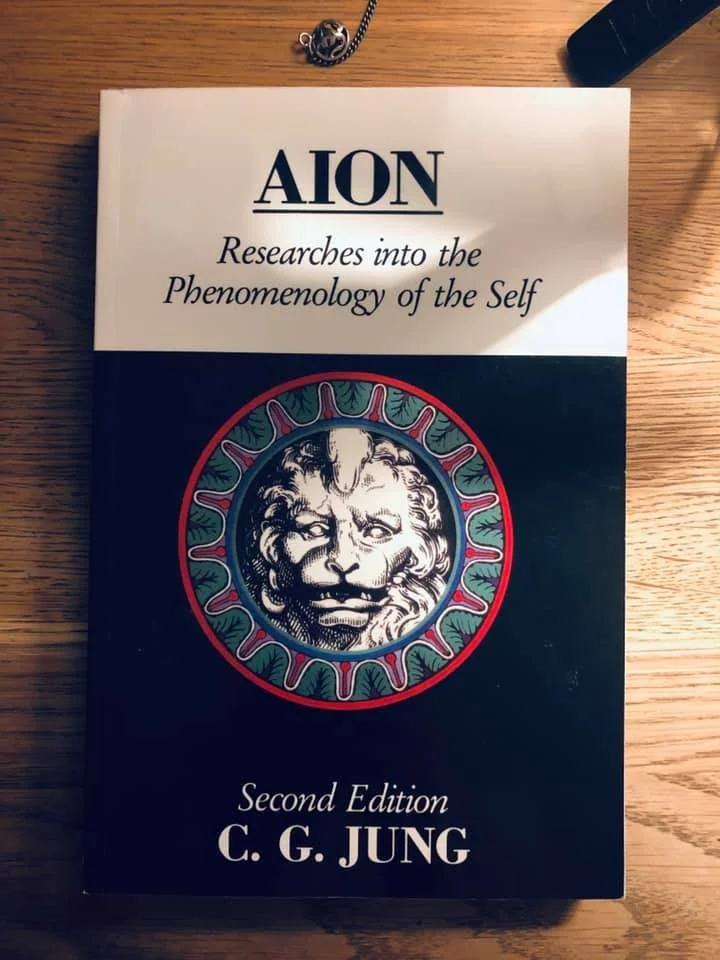
Living Fully: What Individuation Really Means
Trauma, Shadow, and the Slow Return to Inner Authority
The long road to individuation is not a concept only learned in books — it’s lived, step by step, through experience, mistakes, grief, and small victories. This post is about what I’ve discovered on that journey and how those lessons can be shared, or “paid forward,” to help others move a little closer to themselves.
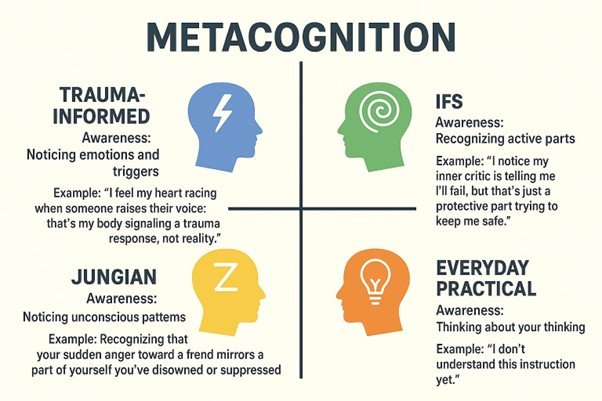
How To Regulate The Nervous System
Becoming aware of our metacognition is important because it enables us to step outside our immediate experience and see what our mind is doing. This creates freedom, clarity, and choice rather than automatic reactions.


Symbolisation: Why This Word Matters in Trauma Recovery
Symbolisation is not abstract. It is not decorative. It is not optional. It is the very mechanism by which the body says, “I need you to know something,”and the mind feels safe enough to listen.
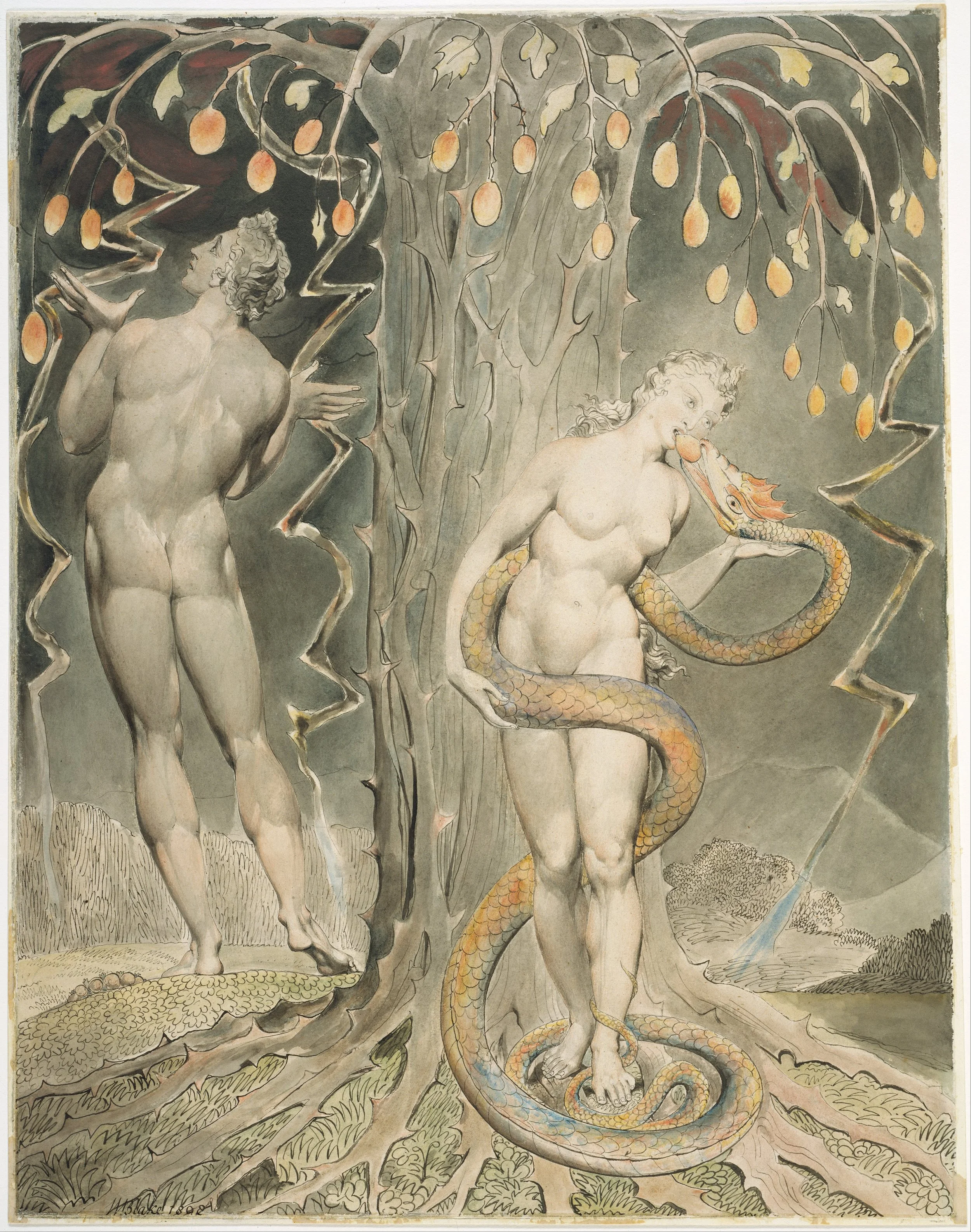
On Forgiveness, Healing, and Developing an Inner Voice!
Trauma can leave deep wounds, and it is normal to struggle with anger, grief, shame, or guilt. Healing often comes from acknowledging those feelings, creating safety, setting boundaries, and validating our experiences rather than trying to force forgiveness because someone else says it is the right thing to do.


Repetition Compulsion & Complex PTSD
Reflection on Repetition Compulsion (Freud, 1920)
Freud first introduced the idea of repetition compulsion in 1920, suggesting that people unconsciously repeat past traumatic experiences as an attempt to gain mastery or understanding. I disagree with this idea, particularly from my own lived experience.
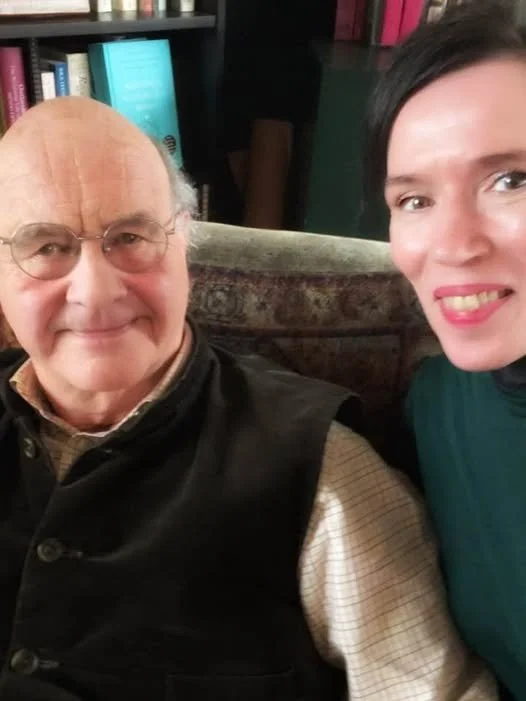
Rediscovering Imagination, Dreams, and Inner Work: A Conversation with Nick Pearson
Rediscovering Imagination, Dreams, and Inner Work: A Conversation with Nick Pearson
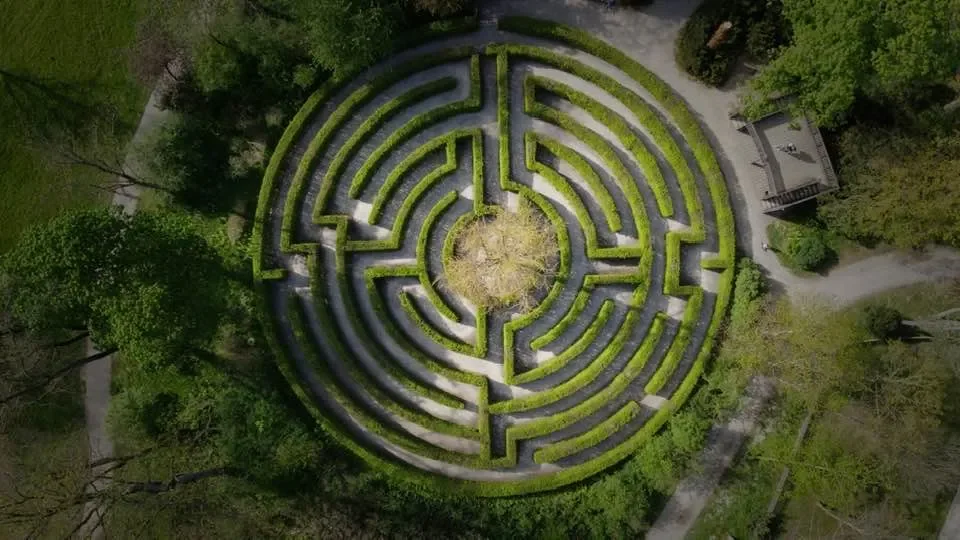
The Looping Days
Reflections on Trauma, Thought, and the Flow of Consciousness (inspired by Paul Levy’s ideas on mind and quantum reality)