Surviving Childhood Trauma
Reclaiming agency and reconnecting with the personal spirit.
For many years, I have been drawn to understanding trauma. Part of that comes from my own story, and part from a fascination with how the mind survives what can feel unbearable. I’ve spent years reading, reflecting, and learning—from Jungian psychology to modern trauma theory—trying to make sense of the ways trauma shapes the inner world. Alongside this, I have offered peer support at an NHS clinic in London for people waiting for therapy, and in my own practice, I work with clinical hypnosis and astrology as ways of exploring both mind and imagination. Sharing this is my way of explaining why trauma matters to me, and why I feel it’s worth looking closely at.
Donald Kalsched’s work has profoundly shaped my understanding. He describes how early trauma can create an inner self-care system that both protects the core of our personal spirit and attacks anything that feels threatening. In dreams, this can appear as sudden shifts from terror to safety, showing the psyche’s own ingenious ways of coping. The protective side allows survival, while the persecutory side can sabotage intimacy, emotional growth, and integration.
Kalsched uses fairy tales to illustrate this. The first stage, the lesser coniunctio, is a fused, enchanted state where the ego retreats into a magical inner world for safety. The second stage, the greater coniunctio, is leaving that protective fantasy behind, learning to tolerate real emotion, and engaging fully with life. Healing requires letting go of the parts of ourselves that cling to omnipotence or infantilism and facing frustration, conflict, and separation.
He likens these defences to an autoimmune system. Just as our bodies can attack what is essential to life, the psyche can attack itself when vulnerability or dependency arises. Even in therapy, moments of tenderness can trigger intense resistance, showing how deeply these defences are ingrained. Kalsched describes the Queen Baby or King Baby, where a vulnerable inner child is overseen by a tyrannical archetypal figure. Releasing this dynamic takes courage, awareness, and care.
Trauma opens a doorway into the archetypal and transpersonal, into numinous worlds that are protective but also potentially destructive. Fairy tales, myths, and dreams reflect this journey, showing how survival, enchantment, sacrifice, and integration unfold. Therapy, or any supportive relationship, becomes a way of navigating these stages, learning to tolerate affect, reclaim agency, and reconnect with the personal spirit.
For anyone wishing to explore these ideas further, I recommend Donald Kalsched’s The Inner World of Trauma: Archetypal Defences of the Personal Spirit and Trauma and the Soul. Both books illuminate how trauma shapes the inner life and how archetypal energies, when consciously engaged, can guide healing and transformation.
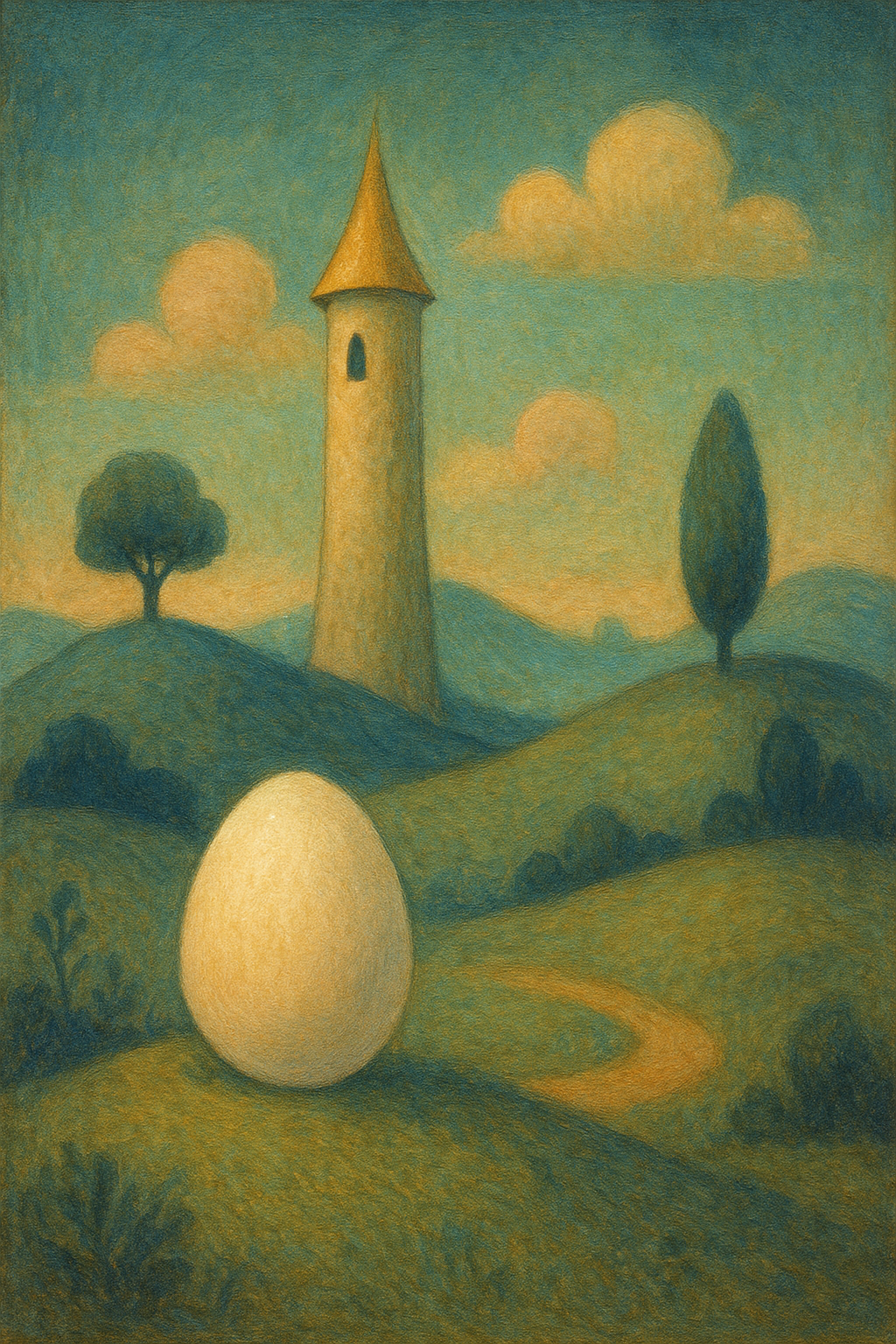
An image of a tower and the possibility of rebirth.