Dancing with the Numinous: Trauma, Fantasy, and Choice
Trauma doesn’t just leave scars; it shapes the very architecture of the mind. When abuse happens early, the psyche often builds protective inner worlds. Kalsched calls part of this the archetypal self-care system: a constellation of fantasies, defences, and inner figures that ensure survival, even if they keep the person trapped.
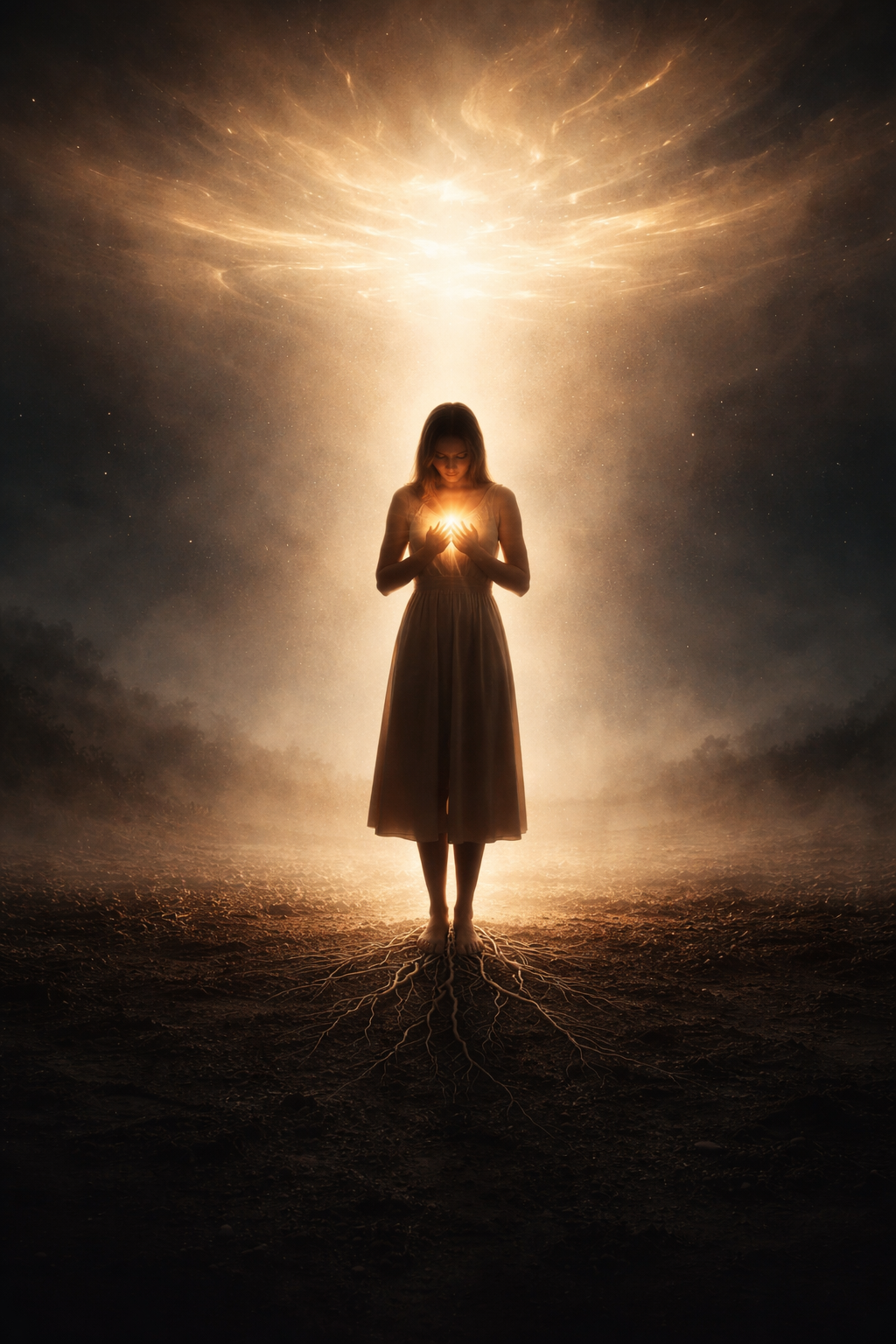
These inner worlds can feel numinous, almost sacred. They are powerful, vivid, and sometimes overwhelming. Jung called the numinous the experience of energies beyond the ego—sublime or daimonic—that can open us to a deeper sense of existence.
The numinous is that feeling of something bigger than you taking hold, powerful, sometimes meaningful, sometimes overwhelming.
For a trauma survivor, the numinous can be both a blessing and a curse. It protects, but it also locks the mind in fantasy, avoiding the real pain, the losses, the grief, the anger. The ego, fragile from early violations, can become attached to these inner energies, mistaking them for safety or control.
Healing, Kalsched suggests, comes in two stages:
First, we must confront the dark, daimonic side of these inner energies—the bewitchment, the obsession, the self-contained fantasies built to survive but now limiting life. This is uncomfortable, sometimes terrifying, because it involves facing what the psyche has relied on for protection.
Only then can the positive, inspiring, light-giving side of the numinous enter a relationship with the ego. This is a slow process. It is not about erasing trauma, nor forgiving, nor pretending the past didn’t happen. It is about redirecting energy from repetition and fixation toward choice and engagement with life.
In my own life, I see this clearly. I have spent decades living with the effects of abuse—from age four into my teens—and the ways my psyche tried to survive. There is anger, there is grief, there is melancholy. And yet, I have also begun to name it, meet it, and shift its direction. What once overwhelmed me can now, slowly, be integrated. I can choose where to put my energy. I can allow life, step by step, to exist alongside the echoes of the past.
This is the essence of transformation. The same energies that once kept me imprisoned now help me step into my life, even as they remind me of what I endured. Even the daimonic can be acknowledged and integrated. The daimonic refers to powerful inner forces that can feel intrusive or overwhelming, often formed in response to trauma, but originally serving a protective function. And from that place, the world opens, not as a fantasy, but as a lived reality I can navigate on my own terms.
Penelope Ryder is a Hypnotherapist, astrologer, mentor, and writer completing a book on trauma and survival. She writes about psychology, astrology and the inner life at Substack www.peneloperyder.com